The Invisible Work
When you decide to declare your property a natural reserve and begin the restoration process, the immediate vision is one of planting native species, rehabilitating the soil, and improving the ecosystem’s conditions in terms of its structure and functions. But behind that postcard-perfect image lies an everyday reality that is rarely discussed: the invisible tasks that indirectly support restoration activities and create the necessary conditions for us—the people doing the actual restoration—to live and work in the reserve. At Yátaro, we call these tasks “invisible work.”
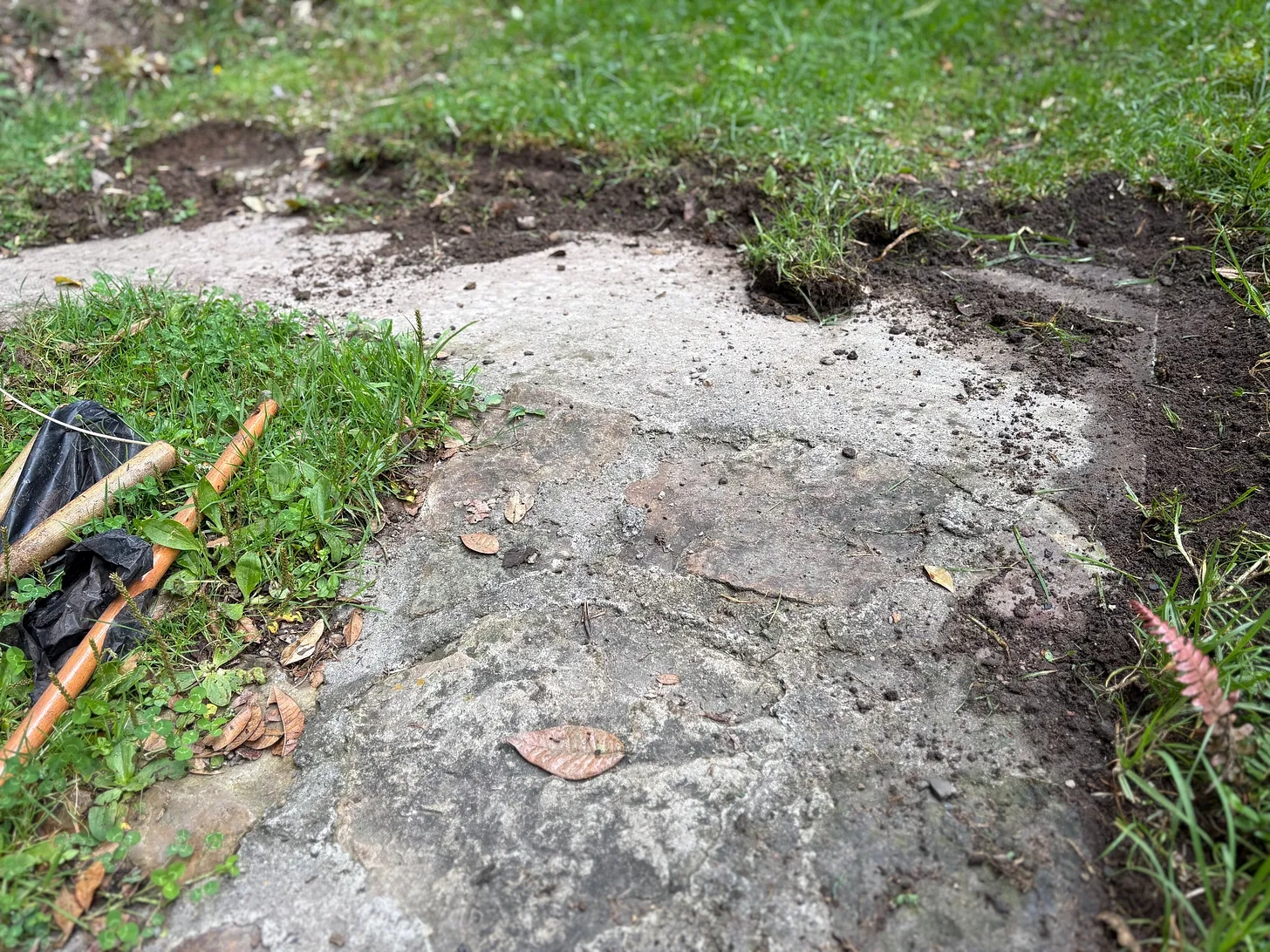
What the Photos Don’t Show
To facilitate the restoration processes (both active and passive) in a reserve, those of us who live there must ensure certain minimum conditions are met. In our daily lives, this translates into a list of less-than-glamorous tasks that generally aren’t factored into the equation, at least not at the beginning:
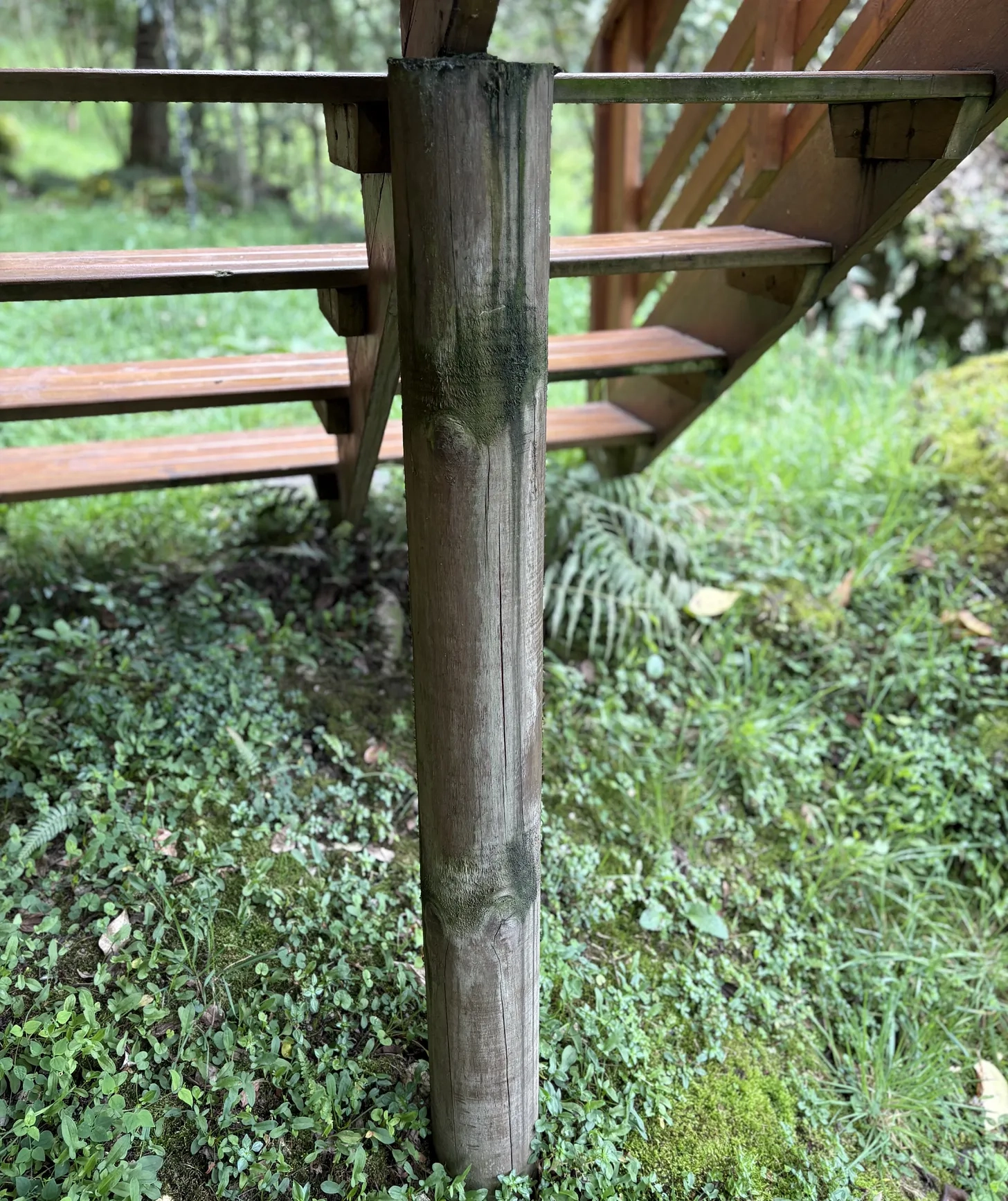
House Maintenance: When we arrived at Yátaro, we made the decision to build our wooden cabin without altering the uneven terrain. We didn’t bring in a backhoe, we didn’t flatten the mountain, and we didn’t lay cement foundations. Because of this, we have to do periodic maintenance on the walls, the floors, and the stilts that support our house. What isn’t seen is the constant work—both ours and that of the people who help us at the reserve—to prevent the passage of time and the elements from deteriorating the infrastructure.
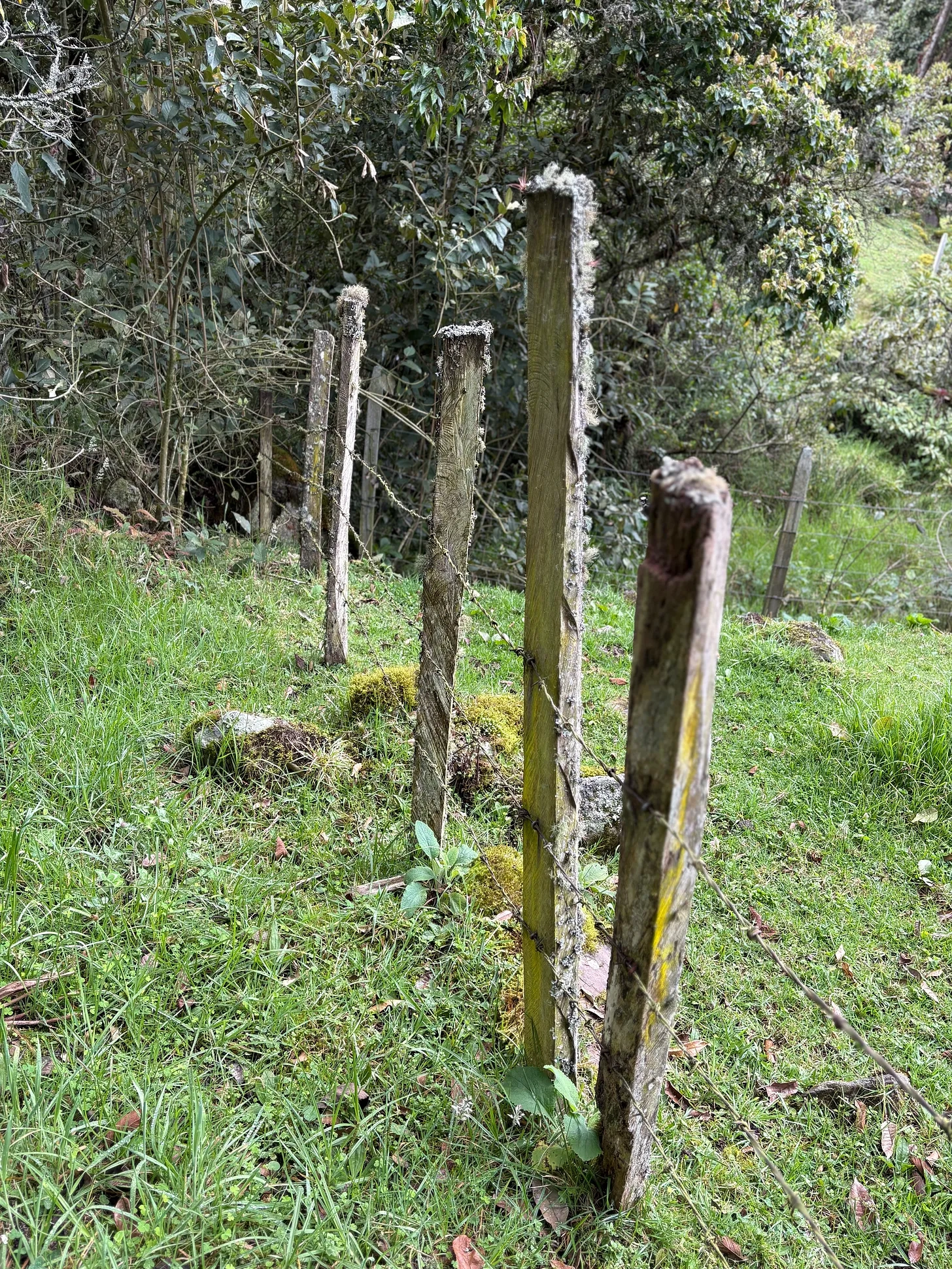
Boundaries, Fences (and Cows): Ensuring the property is properly enclosed is vital. There is nothing more devastating than watching cows from neighboring farms wander in and destroy five years of restoration work in a single day.
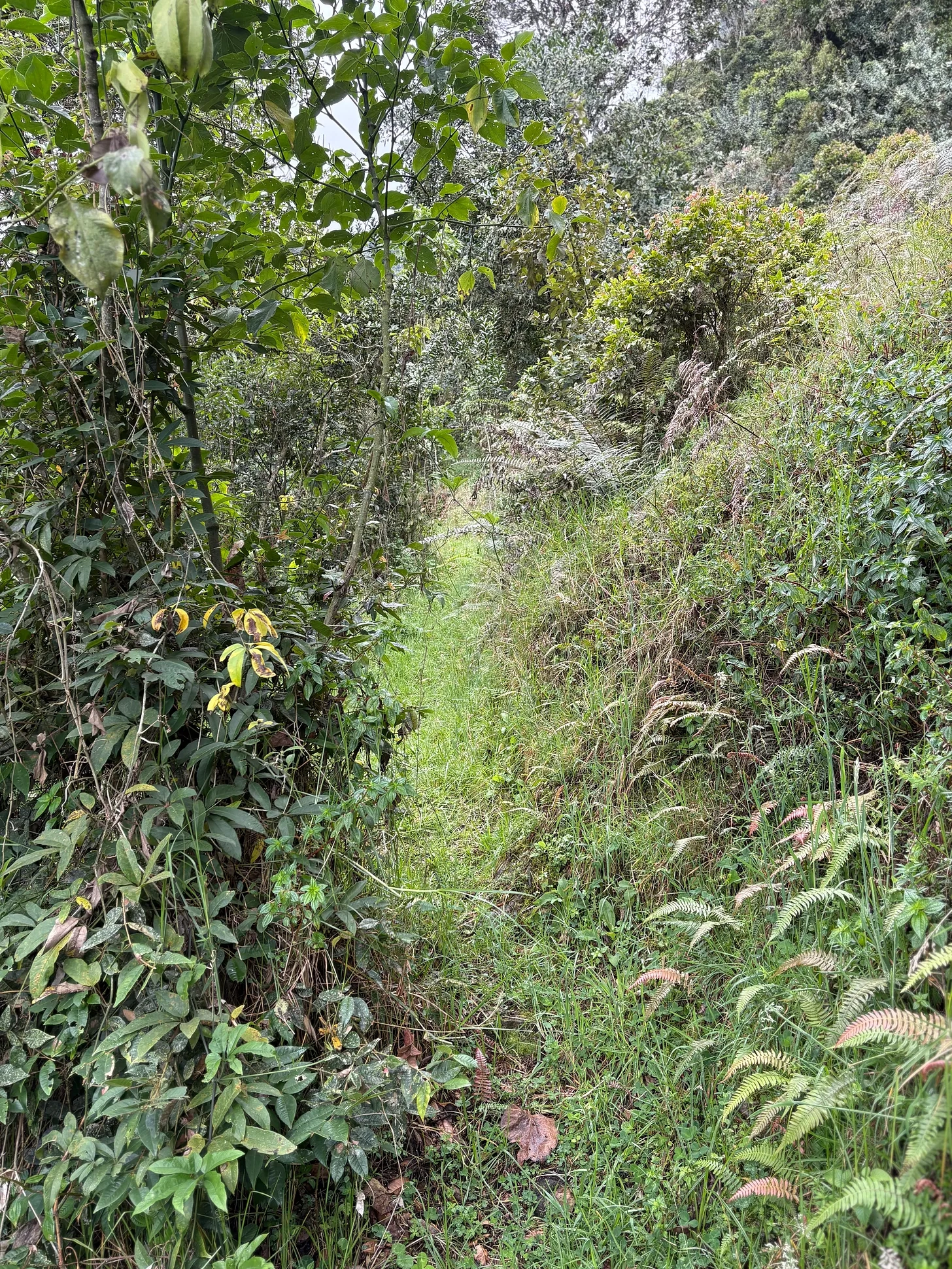
All these activities involve significant physical effort, require careful planning, and, above all, demand a constant investment of energy and money.
The Management Plan
Even though these tasks (and many others) are incredibly important, they are rarely made visible or properly budgeted for unless you put together a meticulous management plan.
In our case, although we haven’t yet formalized a management plan for Yátaro, these activities have become our routine. We do the vast majority of them with our own hands, with all the human and time limitations that entails.
Of course, we acknowledge that we are long overdue to sit down and design that plan. This year, we are taking on the task of creating a first draft that includes a realistic schedule of actions, goals, and budgets, based on the zoning we initially proposed when we went through the process of being declared a Civil Society Nature Reserve (RNSC). Furthermore, this exercise will be the perfect excuse to integrate the baseline data and the biodiversity monitoring we’ve been conducting over the past three years.
Although we have always been aware of the importance of having a management plan, it is at this point that we truly realize it is much more than a simple bureaucratic requirement for private areas registered with the National System of Protected Areas (RUNAP). The management plan is a navigational chart for reserve owners, allowing us to ensure we are building a project that is sustainable over time.